
Understanding the basics of gambling for complete beginners
What is Gambling?
Gambling is the act of risking something of value on an event with an uncertain outcome, with the primary intent of winning additional money or material goods. It encompasses a variety of activities, including betting on sports, playing casino games, and participating in lotteries. The thrill of gambling lies in the chance, unpredictability, and the potential for substantial rewards, making it a popular pastime across various cultures. Many enthusiasts turn to the best poker sites to enhance their gaming experience.

The essential element of gambling is that it involves wagering. The outcome can be influenced by skill, chance, or a combination of both. Understanding the basic components of gambling helps beginners appreciate how these activities operate and what they need to consider before diving in.
The Different Types of Gambling
Gambling can be broadly categorized into several types, including casino games, sports betting, poker, and lotteries. Casino games, such as slots, blackjack, and roulette, often rely heavily on chance, although some require skill and strategy. Sports betting involves wagering on the outcomes of sporting events, where understanding the sport and its dynamics can play a crucial role in making informed bets.
Poker is a unique form of gambling that combines elements of skill and chance, allowing players to compete against each other rather than the house. Lotteries are another popular option, often run by governments and offering the chance to win large jackpots with a relatively small investment. Each type of gambling has its own rules and odds, which are important for beginners to grasp.
The Importance of Understanding Odds
Odds are a critical concept in gambling, representing the likelihood of a certain outcome occurring. Understanding odds helps beginners make informed decisions and manage their expectations regarding potential winnings. For example, in sports betting, odds can indicate how likely a team is to win, while in casino games, they reflect the house edge, which is the advantage the casino has over players.
Different formats of odds exist, including fractional, decimal, and moneyline odds. Each format provides the same information but in different ways. Familiarizing oneself with these formats is essential for understanding the probabilities associated with various bets, allowing beginners to engage in gambling more confidently.
Setting a Budget and Responsible Gambling
One of the most crucial aspects of gambling is managing one’s finances. Setting a budget before starting to gamble ensures that individuals do not spend more than they can afford to lose. It is advisable for beginners to establish clear limits on their gambling activities, which helps prevent financial strain and promotes responsible gambling practices.
Responsible gambling also involves recognizing signs of problem gambling, such as chasing losses or feeling compelled to gamble despite negative consequences. Taking breaks, setting time limits, and seeking help if needed are vital strategies for maintaining a healthy relationship with gambling.
Exploring the Online Gambling Landscape
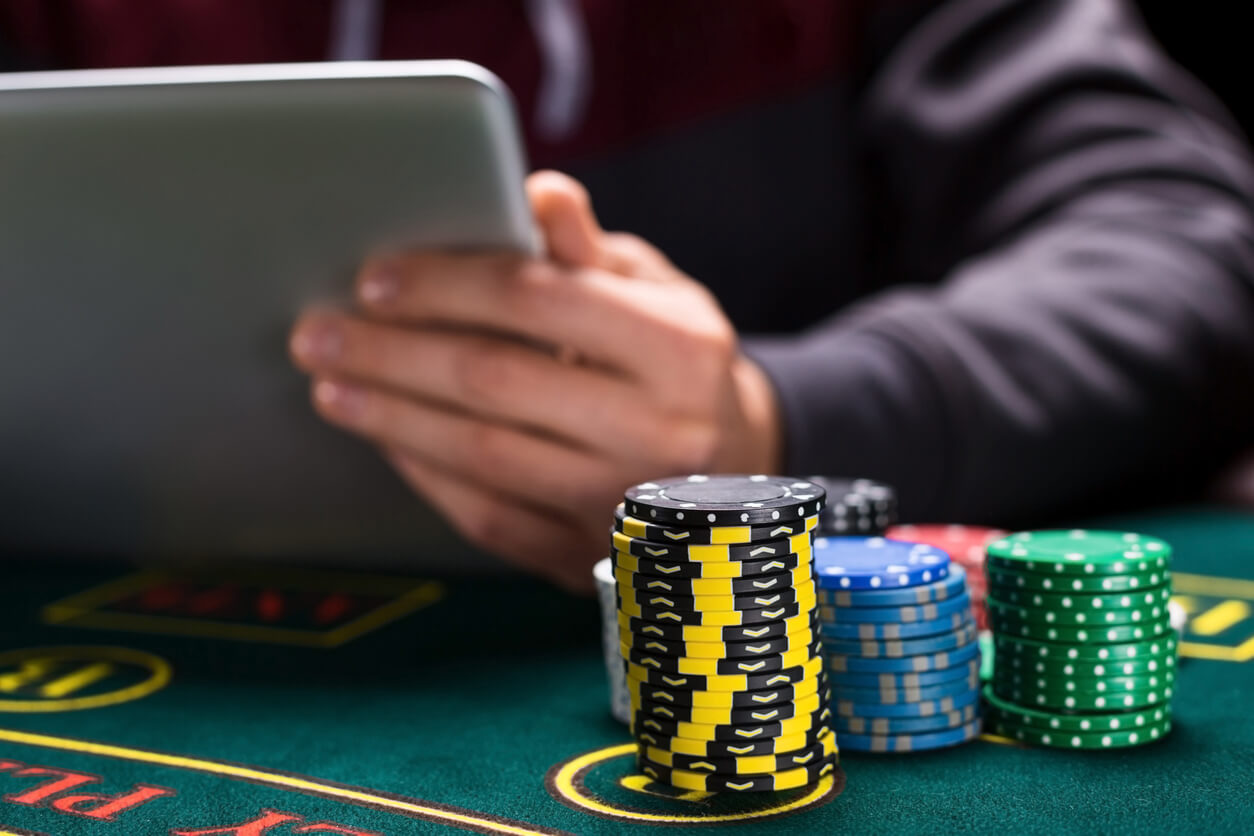
With the rise of technology, online gambling has become increasingly popular. It allows individuals to access a wide variety of games and betting options from the comfort of their own homes. Online casinos and betting sites often offer bonuses and promotions that can enhance the gambling experience, making it an appealing choice for many beginners.
However, it’s essential to choose reputable online platforms that prioritize security and fairness. Beginners should conduct thorough research, read reviews, and understand the terms and conditions of any online gambling site they consider joining. Being informed about the online landscape can enhance the overall gambling experience while ensuring safety and responsibility.